Deciding where to learn photography can feel like choosing your first camera—there are many options, and the right one depends entirely on you. Both online platforms and traditional classrooms offer unique paths to sharpen your skills.
Your personal learning preferences, schedule, and goals will point you toward the best fit for your creative journey.
How Do You Learn Best?
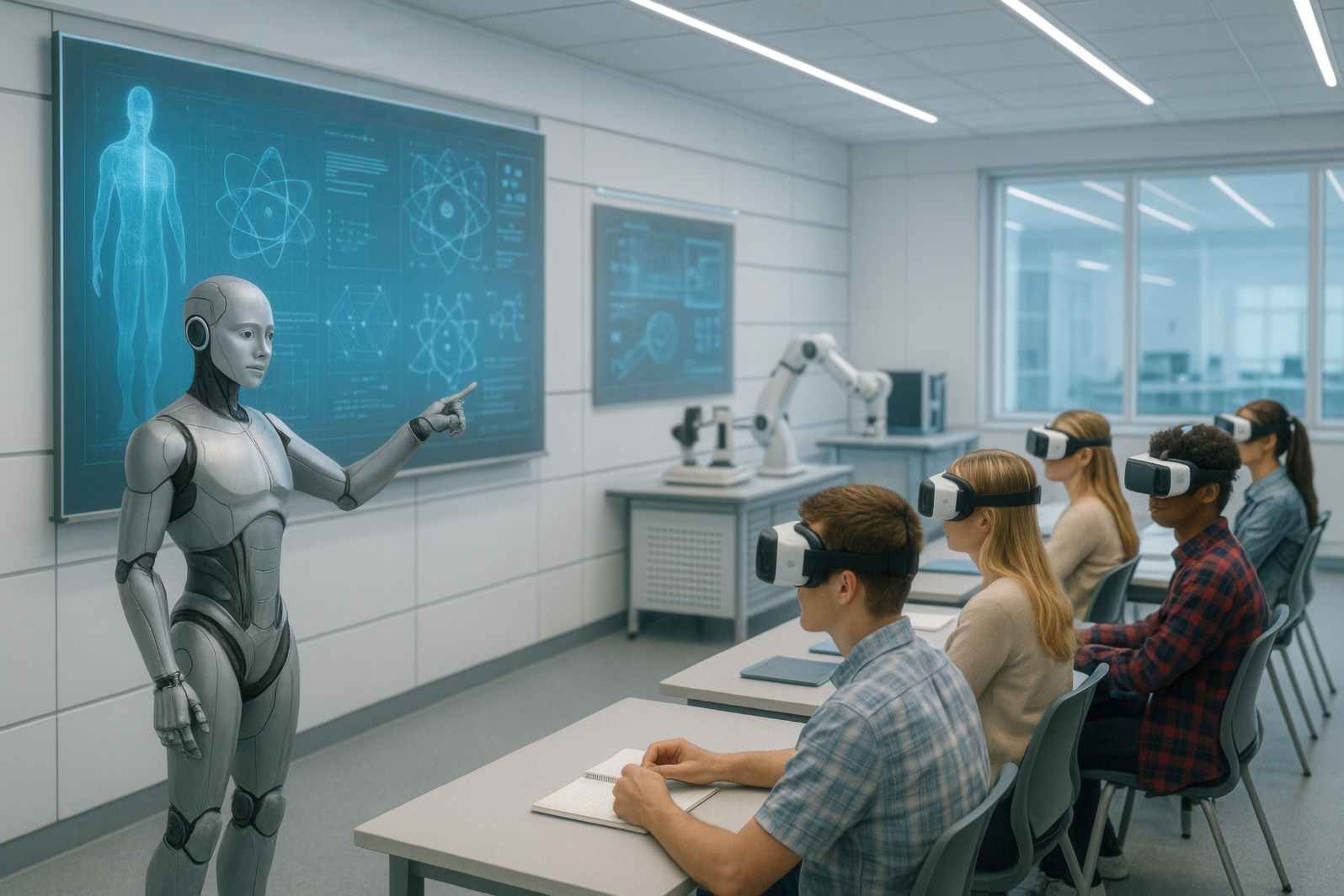
Reflecting on your learning style is a great first step. Do you thrive with the structure of scheduled classes and direct interaction with an instructor? If so, an in-person course might be a great match. These settings provide immediate, face-to-face engagement.
On the other hand, if you prefer to absorb information at your own pace, revisiting lessons as needed, an online photography course offers the autonomy to fit learning into your life whenever and wherever you choose.
Curriculum and Course Structure
The curriculum is the core of any educational experience. In-person courses often follow a set syllabus, moving from one topic to the next with a group. This structured progression ensures everyone covers the same material.
Online courses, however, frequently offer more specialized content. You can find programs focused on anything from wedding photography to astrophotography, allowing you to focus on a niche that truly interests you. The material is typically available on-demand, giving you control over what you learn and when.
Gaining Hands-On Experience
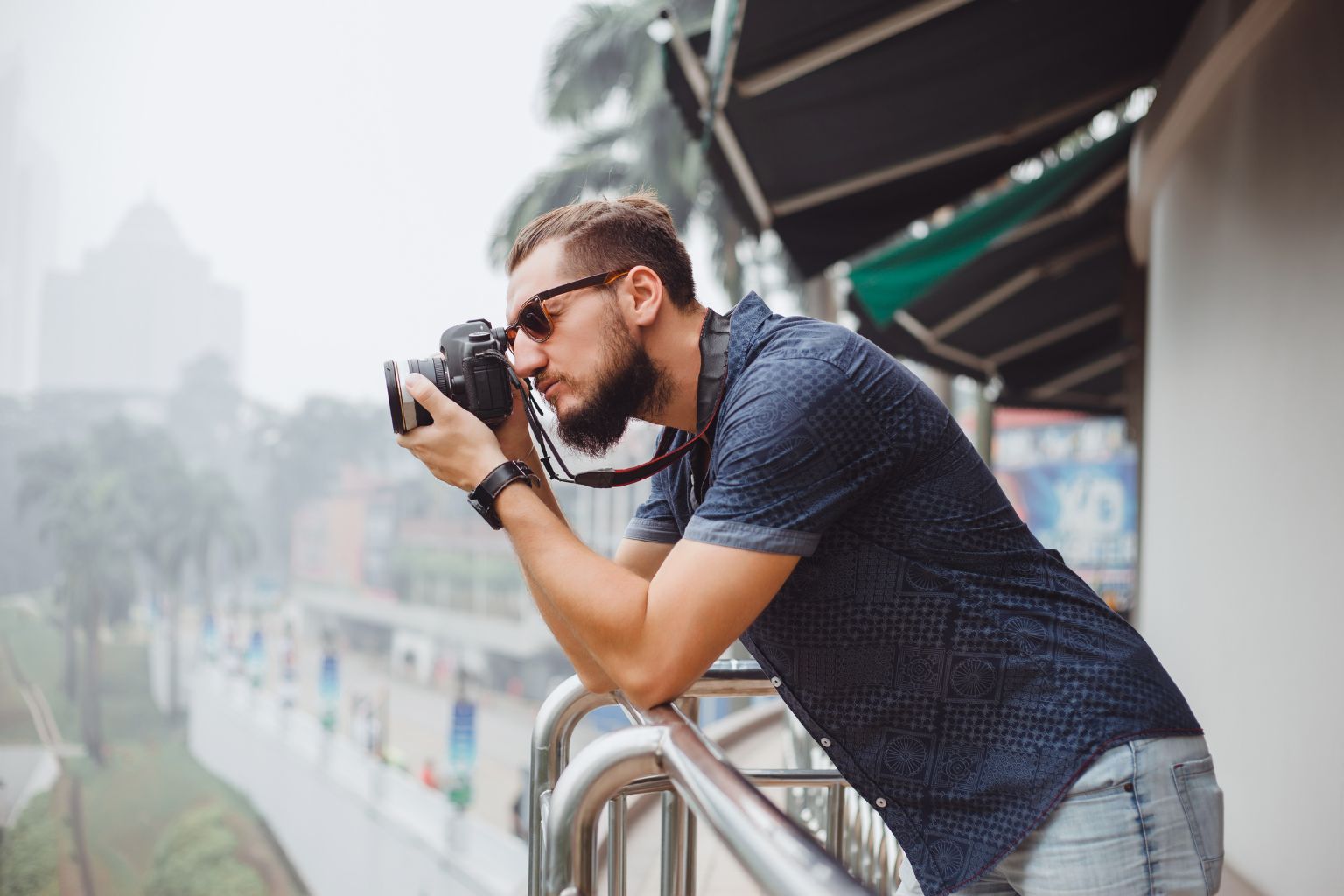
Photography is a practical art, and hands-on experience is essential. In-person classes excel at providing this through group shoots and studio sessions. You get to work with lighting equipment and models under the direct supervision of your instructor.
Online courses build practical skills through assignments and projects. While you won’t have a shared studio, this format encourages you to find creative opportunities in your own environment, developing your resourcefulness.
The Role of Feedback and Critique
Receiving constructive feedback is vital for growth. In a classroom, critiques often happen in real time, with instructors and peers offering immediate input on your work. This can be incredibly motivating.
Online platforms facilitate feedback through forums, video submissions, and digital galleries where instructors and fellow students can leave detailed comments. This written feedback can be reviewed anytime, offering a different but equally valuable perspective.
Considering the Financial Investment
Budget is a practical consideration for everyone. In-person courses generally have higher tuition fees, as they include the costs of a physical location and equipment. Online courses are often more affordable and eliminate expenses related to commuting.
When weighing your options, think about the total value each provides, from the curriculum to the instructor’s expertise, to determine which investment makes the most sense for you.
Building Your Photography Network
Connecting with other photographers is a rewarding part of the learning process. Classroom settings naturally foster community through shared experiences and face-to-face interaction, helping you build a local network.
Online courses build community through global forums and social media groups. You have the chance to connect with a diverse range of artists from different backgrounds and cultures, broadening your creative horizons.
Weighing Convenience and Flexibility
Your lifestyle plays a big role in your decision. In-person courses require a consistent time commitment at a specific location, offering a clear routine. For those with busy or unpredictable schedules, the flexibility of online learning is a significant advantage.
You can log in and learn from anywhere, making it easier to balance your passion for photography with other responsibilities.